Having a peaceful coach journey doesn’t just depend on the choice of vehicle or the itinerary, but also on adopting good habits before departure. Among these, diet plays a fundamental role. Knowing what to eat before a coach trip helps prevent discomforts such as nausea, bloating, or drowsiness, making the experience more comfortable—especially on medium and long-distance routes.
Whether it’s an organized tour or a corporate transfer, proper preparation is an essential part of a successful trip.

Why Eating the Right Way Matters Before You Leave
During a coach trip, you remain seated for long periods, and breaks are typically scheduled based on the group’s needs. Choosing the wrong meal before departure can lead to several issues, including:
- Digestive difficulties
- A sense of heaviness
- Motion sickness
- Energy crashes
On the other hand, choosing light and easily digestible foods allows you to face the journey in a more relaxed way. This is especially true when traveling with coach rental services with a driver for tourist routes or organized transfers.
What to Eat Before a Coach Trip
Balanced and Light Foods
The golden rule is to avoid heavy and overly complex meals. Ideally, you should opt for a simple meal that provides energy without weighing you down. Recommended foods include:
- Lightly seasoned pasta or rice
- White meat or grilled fish
- Eggs
- Cooked vegetables
- Bread or crackers
These choices help maintain regular digestion and reduce the risk of discomfort during the trip. Avoid fatty, spicy, or elaborate dishes.
Fruit: Yes, But in Moderation
Fruit is a great ally before leaving, provided you choose wisely. Apples, bananas, and pears are excellent choices. It is better to avoid very sugary or acidic fruits, which could ferment and cause bloating, especially during longer journeys.
Breakfast Before a Coach Trip
If your journey starts in the morning, breakfast should also be balanced. An ideal breakfast includes:
- Yogurt
- Rusks (fette biscottate) or bread
- Jam
- Tea or milk
Avoid filled croissants, heavy creams, and overly rich pastries, as these can cause drowsiness or nausea within the first few miles.
What to Avoid Before Boarding the Coach
Knowing what not to eat before a coach trip is just as important as choosing the right foods. You should avoid:
- Fatty and fried foods
- Highly spicy dishes
- Overly processed foods
- Carbonated drinks
- Alcohol
Watch out for coffee! If consumed in excess, coffee can increase gastric acidity and cause discomfort during the journey.
Drinking During the Trip: Focus on Hydration
Staying hydrated is essential, but it is best to follow a few simple guidelines:
- Prefer still water
- Drink in small sips
- Avoid sugary or fizzy drinks
- As mentioned, strictly avoid alcohol
Proper hydration contributes to overall well-being, especially on long-distance coach trips, and should never be underestimated.
Useful Tips for Long Trips and Group Travel
For organized trips—such as school outings, corporate travel, or tourist tours—it is helpful to plan breaks. Coach trips for organized groups allow for strategic stops, making it easier to manage meals and snacks. Carrying a light snack, such as dried fruit or crackers, is a practical way to stave off hunger without affecting digestion.
On-Board Comfort Makes the Difference
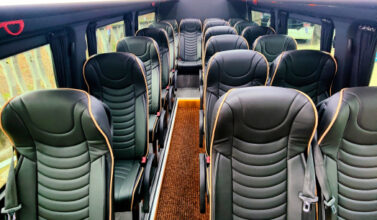
In addition to nutrition, the comfort of the vehicle itself influences your well-being. Traveling in modern, spacious coaches equipped with proper amenities makes the experience much more pleasant.
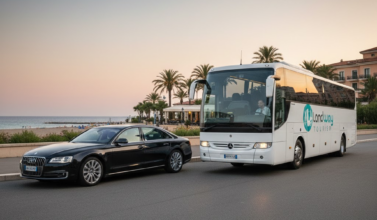
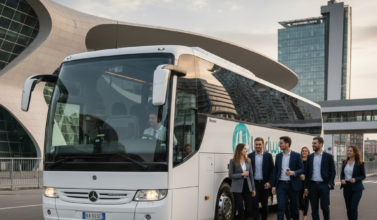
Landway Tourism provides a fleet of comfortable and safe coaches, ideal for both short and long-distance travel, ensuring total attention to passenger comfort. Whether it’s a quick transfer or a long tourist itinerary, preparing the right way makes all the difference. Relying on a professional service like Landway Tourism for coach rentals guarantees comfort, safety, and a journey designed for the well-being of every passenger.